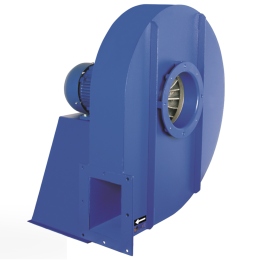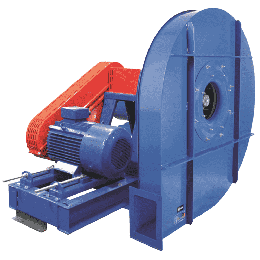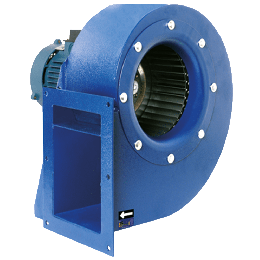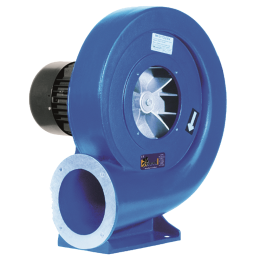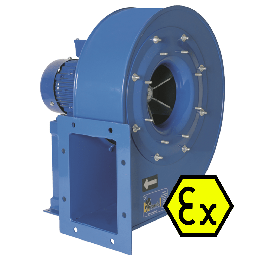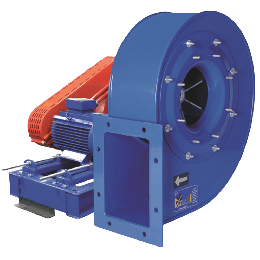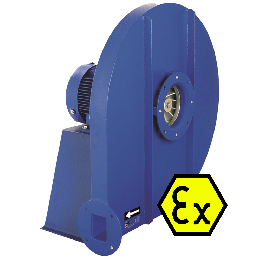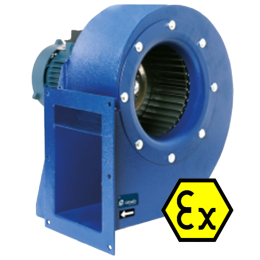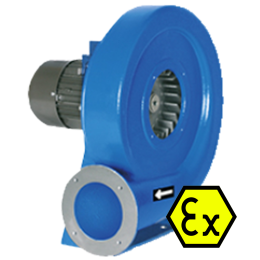


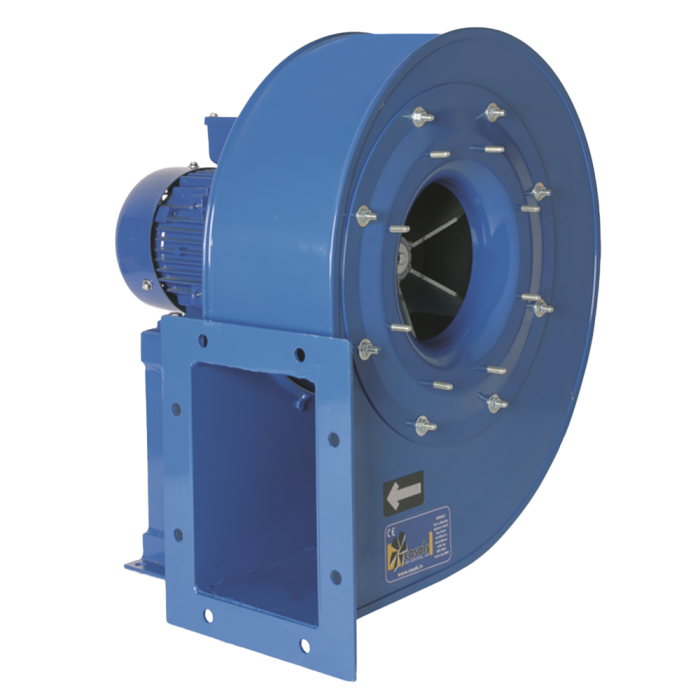
Radial Fans & Material Handling Fans
Centrifugal Fans with Straight Bladed Impellers for Solid Material Transport
Material handling fans or radial fans are required where solid and bulky materials need to be handled or conveyed, for example in food processing or biomass applications. In food processing applications, the likes of flour, sugar and grain need to be transported effectively and efficiently to manufacture the end product, it is likely that in these scenarios, an ATEX material handling fan is required due to the combustible nature of the solids.
We recommend contacting a member of our technical team to discuss your project requirements in depth. Alternatively complete an enquiry form specifying as much information as possible to enable us to select an appropriate material handling fan.
Rugged Construction & Design to Ensure Optimal Performance in Heavy Material Applications
Balancing the nature of the material present in the application, with the required air velocity required to ensure optimal performance of the fan, is something our experts can work with you to achieve. Our material handling fans offer the pressure and airflow range required to cover all duties.
Ex h labelled ATEX fan constructions are available on a wide range of Casals heavy industrial fans, suitable for zone 1 and 2 gas, or zone 21 and 22 dust environments.
The ATEX ratings of the motors, whether standard or external rotor motor, should be certified Ex h to show that they are mechanically constructed in line with ATEX Directive guidelines.
For gas zones, the protection principle ensures that an ignition does not occur from sparks and arcs from the motor.
Ex eb - increased safety, explosion protected - suitable for zone 1
Ex ec - increase safety but the lowest and normal level of ATEX protection, also known as reduced risk protection and for motors is non sparking - suitable for zone 2
Ee Db - flameproof - suitable for zone 1
Ex tb - offers a high level of protection in category 2 / zone 21 dust applications
Ec tc - offers a normal level of protection in category 3 / zone 22 dust applications
Read the full article relating to ATEX definitions here.
Contact our team with your hazardous area classification information so that we can make a safe and accurate ATEX fan selection.
Material handling applications involve a wide range of materials including:
- Powders
- Chemicals
- Wood chips & sawdust
- Paper & pulp
- Scrap & waste
- Metals
- Plastics
- Cement dust
- Coal dust
- Grains
- Sugars
- Fumes
- Tobacco dust
Materials need to be transported effectively and efficiently while taking into account their potential for combustion.
It's important to note that different fans can handle different materials, therefore customers must advise what is being carried.
For example, the MBZM P/R series is suitable for solid material transport and textile material transport. Whereas, the AA, MA and MB ranges are not recommended to move textile materials, but are ideal for any other forms of material handling.
Industries
- Sawmill Equipment or Wood Processing
- Paper & Pulp
- Recycling Plants
- Metal Fabrication & Machining
- Cement & Asphalt Production
- Drink Processing
- Tobacco Processing
- Rubber & Plastics
- Textiles & Fibres
- Food Processing
- Pharmaceutical
- Biomass Processing
- Dust Collectors
- Automotive
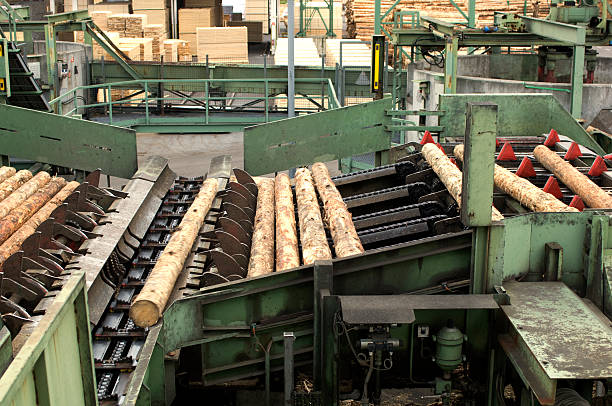
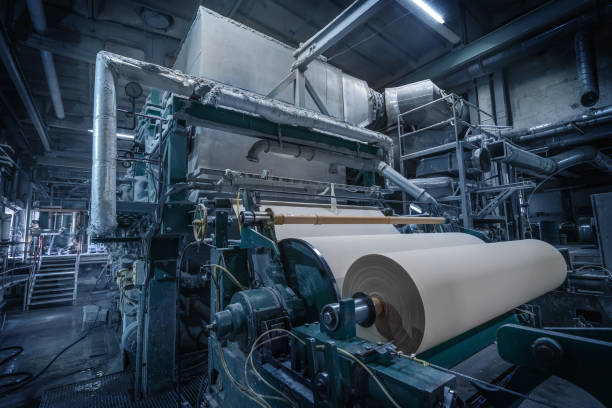
Sawmill Equipment and Wood Processing
Material handlings fans are used within several processes of sawmill and wood processing facilities. A major concern in these facilities is the build-up of fine combustible dust, which must be removed to prevent the risk of a fire or explosion. ATEX fans are required to prevent the fan being a source of ignition amongst combustible materials.
Process stages of sawmill equipment or wood processing that require material handling fans include:
Drying: Fans are installed into the kiln to facilitate the drying of wood.
Pneumatic conveyors: Fans help the flow of wood chips, sawdust, and other wood to various stages of the process line.
Ventilation systems: Fans maintain air quality and manage the accumulation of dust and debris generated during the many processes.
Paper & Pulp
In paper and pulp processing facilities ATEX fans are used for drying, ventilation, and material handling. Poor ventilation can result in high humidity, excessive heat, and the spread of corrosive vapours or dust particles.
Process stages of paper & pulp processing that require material handling fans include:
Drying stages: Fans are required to remove moisture from the paper.
Pneumatic conveying systems: Fans provide airflow to help transport materials like trim scraps and recycled paper along the process line.
Ventilation systems: Fans maintain air quality and exhaust dust and fumes.
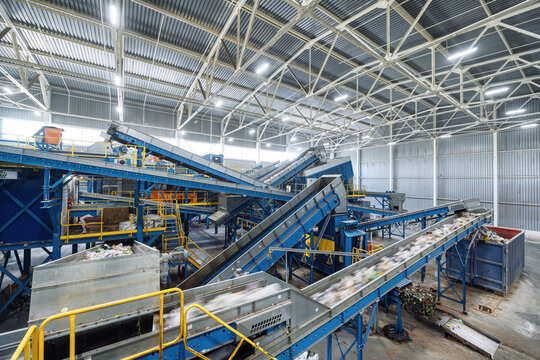
Recycling Plants
In recycling plants material handling fans are heavily relied upon to facilitate various processes including sorting, shredding, and crushing. All of which, generate significant amounts of dust and debris which is a challenge.
Process stages in recycling plants that require material handling fans include:
Ventilation systems: Fans manage air quality by exhausting dust and odours from the facility, removing waste contaminants and gases.
Material separation: Fans are installed into the air separation systems which sort the waste materials. These fans create air currents to separate the waste materials based on factors like density, size, and aerodynamic properties.
Combustion: Fans are required to provide sufficient airflow for optimal combustion and also handle the gases and dusts from this process.
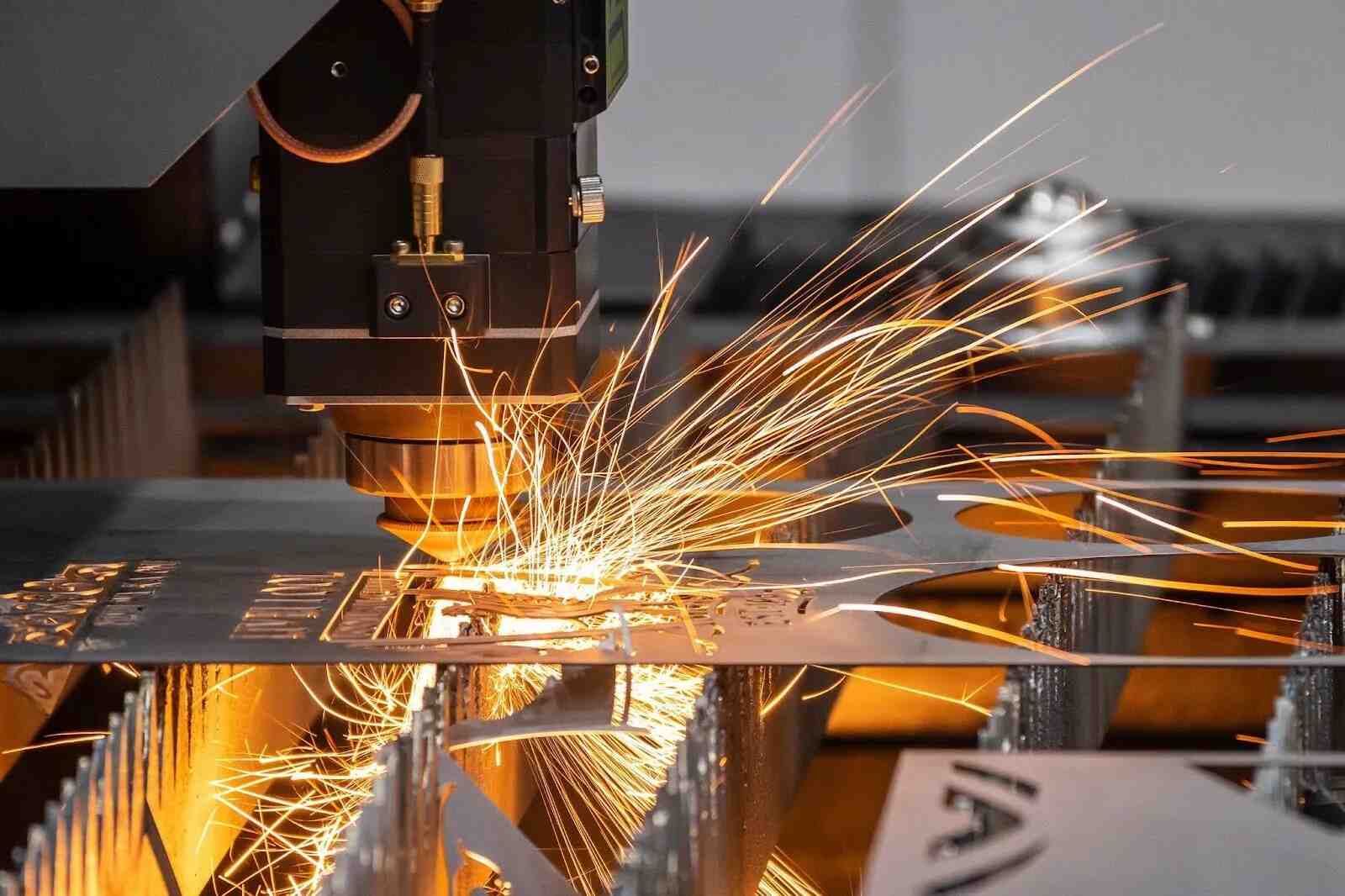
Metal Fabrication & Machining
Metal fabrication and machining processes can generate hazardous fumes, dust and contaminants. ATEX fans are key to removing these harmful pollutants.
Process stages of metal fabrication & machining that require material handling fans include:
Cutting: Fans remove harmful debris, sparks and smoke during cutting operations.
Welding: Fans extract hazardous fumes and gases during welding.
Cooling: Fans provide cooling to the machinery and surrounding areas to prevent overheating and optimal operating conditions.
After heat treatments: Fans are required for the cooling stages of high heat process such as annealing. This is the process that involves heating the metal to alter its mechanical properties, making it softer and easier to shape, machine, or form. A faster cooling rate results in a tougher, more durable material and speeds up the process.
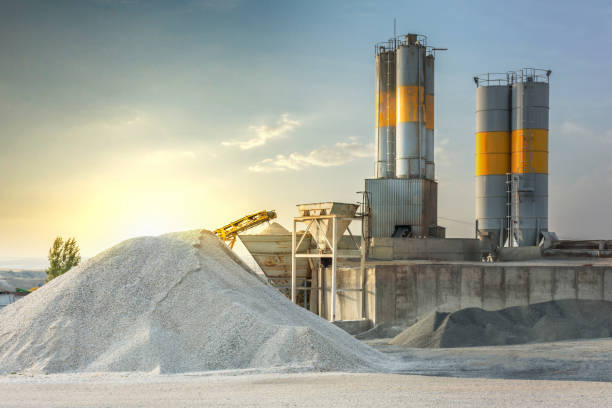
Cement & Asphalt Production
Cement and asphalt production plants require ATEX rated material handling fans to handle combustible materials like cement dust, coal dust, and volatile organic compounds (VOCs) from asphalt.
Process stages of cement & asphalt production that require material handling fans include:
Pneumatic conveying systems: Fans provide sufficient airflow to fluidise materials like cement and other fine particles which reduces the friction, resulting in a smoother flow of materials that requires less energy to move.
Combustion & drying: Fans supply the necessary airflow inside the kiln to facilitate high temperatures for optimal combustion and drying aggregates in the kiln before they are mixed with bitumen.
Cooling: After the drying process, fans are required to cool the hot clinker before it's transported to storage.
Dust collection and filtration: Fans are used in dust collector systems to capture and filter dust generated during various processes. This helps in preventing pollution and maintain air quality.
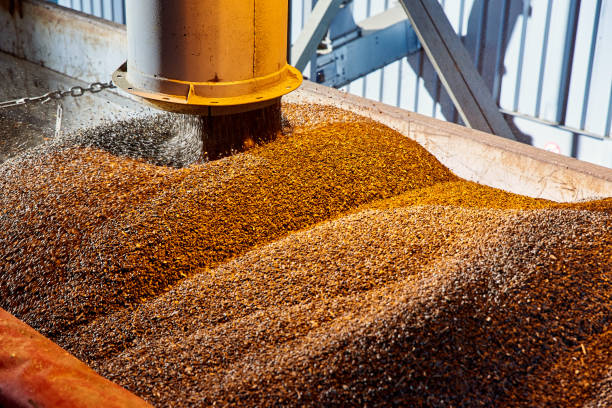
Grain Processing & Transportation
Fans optimise various process stages within the food and beverage industry. Inadequate ventilation can lead to an insufficient process, spoilage and reduced shelf life of products.
Process stages of drink production that require material handling fans include:
Material handling: Fans provide a flow of air to help transport raw materials such as grains and sugars along conveyors to the production stages.
Conveying: Fans are used within the conveyor systems to create air pressure or vacuum air which helps to move or stabilise light weight bottle containers. The vacuumed air holds these products in place whilst they are carefully transported along the production line.
Drying and cooling: Fans are used to dry or cool products at different stages of production, to maintain stable temperatures and prevent spoilage. They are also required to help dry products before the packaging stages.
General ventilation: Fans maintain air quality and remove contaminants such as fumes and dust to maintain a safe and healthy working area.
Tobacco Processing
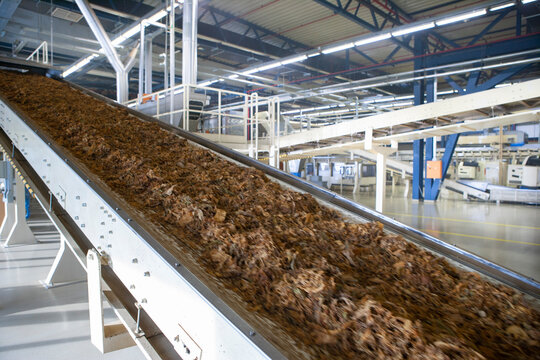
ATEX fans have an important role in the production and quality of tobacco. Inconsistent airflow can lead to insufficient drying and curing and can lead to poor quality and consistency of the final product. Tobacco dust is highly flammable and must be removed with the use of ATEX certified fans to avoid potential hazards.
Process stages of tobacco production that require material handling fans include:
Moisture induction/steaming: Fans are required during the stage where moisture or steam is added to the tobacco leaves to make them more pliable and elastic. The fans help to distribute the moisture or steam evenly across all the leaves.
Stem drying and classification: Fans are used for drying and separating tobacco stems by their characteristics. From here they are transported to the next processing steps, such as stem cutting or blending.
Drying and cooling: Fans are used to dry the leaves by circulating hot air which promotes chemical and biochemical changes in the leaf. This is referred to as flue-curing and can alter the final flavour and aroma. Drying helps to reduce the moisture content of the leaves to a suitable standard for further processing or storage.
Cooling fans are required to lower the temperature after the drying process and stabilise the moisture content of the leaves. To prevent aroma loss, the leaves must remain in optimal condition with the desired moisture content, not too moist or too dry.
Expansion: Fans provide controlled airflow during the drying and curing stages which promotes leaf expansion resulting in increased yield and quality.
Conveying: Fans within conveyors provide airflow to help move the tobacco throughout the various stages of production.
Ventilation: Exhaust fans are required to remove fumes, dust and excess heat to maintain a safe and clean environment.
Rubber & Plastics
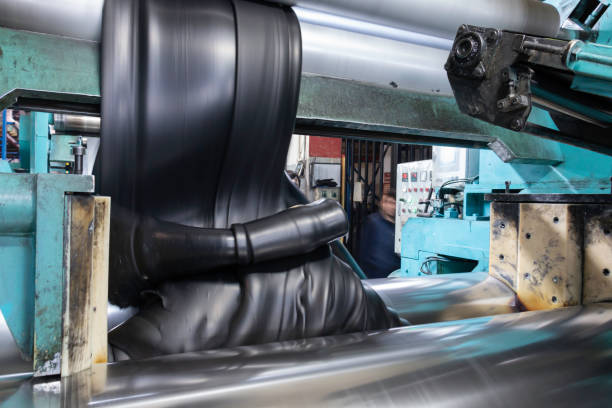
During the production of rubber and plastics, fans are used to maintain temperature control, material processing, and contribute to the quality of the final product.
Process stages of rubber and plastics production that require material handling fans include:
Pneumatic conveying systems: Fans are installed into conveying systems to provide the necessary airflow to move materials including plastic pellets, rubber granules, and other raw materials down the production line.
Trim removal: Exhaust fans are used to remove edge trim and scrap material during injection moulding and extrusion processes, making sure it doesn’t contaminate the mould or interfere with the processing.
Dust and fume extraction: Fans are installed into dust collection systems to remove dust and fumes generated throughout the many processes.
Cooling: Fans are used to cool moulded or extruded plastic and rubber after they are formed to prevent deformation.
Drying: Fans facilitate the drying of rubber and plastic materials which prevents defects from moisture.
Material sorting: Fans provide airflow to separate materials based on density.
Textiles & Fibres
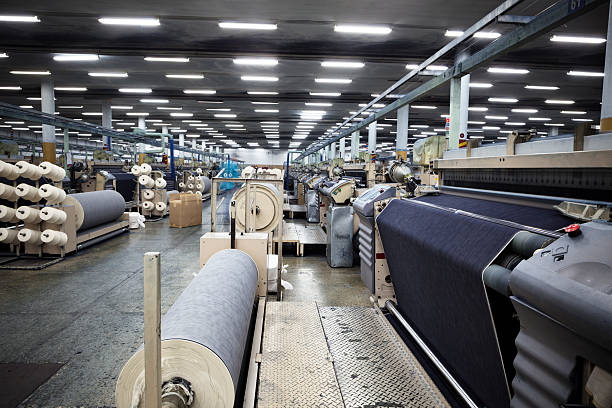
In the textile industry material handling fans contribute to overall production efficiency, maintaining effective airflow for the transport of materials and removal of combustible dust and fibres.
Process stages that require material handling fans in the textile industry include:
Pneumatic conveying: Fans installed in conveyers help to move the textile materials through the different stages of the production line.
Dust and fiber removal: Exhaust fans remove combustible dusts and fibres to prevent an accumulation which poses a hazard risk.
Why are radial, straight bladed impellers the best choice for material handling?
Radial impellers are engineered specifically for demanding industrial environments, balancing simplicity and strength with outstanding reliability. Their straight, widely spaced blades allow a wide range of solid particles such as dust, chips, grain, even sticky or abrasive substances, to pass through the fan without accumulating. This open, paddle-like blade design delivers a self-cleaning effect, ensuring consistent performance even under constant exposure to debris and particulates.
The robust, straightforward design means that unlike backward or forward curved impellers, straight-bladed fans are ideally suited to transporting solids and resisting buildup that causes inefficiency and equipment problems in other fan types.
Material Handling Fan Construction
- Built from heavy-duty, wear-resistant materials such as high-grade steel or specialty alloys.
- Designed to endure erosive wear from abrasive particles like sand, glass fibers, cement dust, or woodchips, allowing for long-term operation with minimal maintenance or degradation.
- Open radial constructions further resist clogging, reducing the risk of unplanned downtime and simplifying maintenance routines.
Performance Advantages
Delivers stable pressure-to-airflow performance, crucial where system resistance can fluctuate due to process changes, filter loading, or dust accumulation.
Unlike backward curved designs, radial impellers maintain predictable output across a broader range of operating conditions, minimising performance drops during system changes.
The open, straight blades significantly reduce the risk of material accumulation, a frequent issue with curved blades, making them easier to clean, less likely to clog, and more reliable over extended use.
Why Choose Radial Impellers for Material Handling?
- Self-cleaning effect: Their simple, open blade layout naturally sheds debris.
- Robust durability: Handles abrasive and sticky materials with steady, long-term reliability.
- Stable performance: Maintains efficiency through changing pressure demands and challenging system conditions.
- Ease of maintenance: Open blade design is easy to clean, minimising downtime and ensuring continued performance.
By selecting a radial impeller material handling systems run consistently, efficiently, and require less intervention.
What are the consequences of incorrect fan selection in material handling applications?
Selecting the right fan for material handling applications is critical for ensuring optimal system performance and efficiency. Poor fan selection can result in a range of problems, including insufficient airflow and blockages that restrict system operation.
When choosing a fan, it is essential to understand the characteristics of the airstream:
- Clean or contaminated: The presence of dust or particulates can significantly affect fan performance.
- Abrasive or sticky: Materials that adhere to or erode surfaces require special consideration.
- Variable or constant: Changing flow conditions demand adaptable fan designs.
Matching the impeller type to the specific needs of the application helps prevent system failures and ensures reliable operation.
Common Issues from Inadequate Fan Selection
A frequent challenge in material handling systems is the buildup of materials on fan blades. This issue is especially prevalent when using fans with curved blades in dusty environments. As dust and debris collect on the blades, several problems can arise:
- Imbalance and reduced airflow: Accumulated material throws off the fan’s balance, decreasing airflow efficiency.
- Increased energy use: The fan must work harder to achieve the required performance, raising energy consumption.
- Overheating and equipment damage: Prolonged overwork can cause the fan motor to overheat, potentially leading to equipment failure.
- Safety hazards: Blockages and restricted airflow may result in dangerous concentrations of hazardous fumes or dust.
Consequences of Restricted Airflow
Blockages in material handling systems not only diminish operational efficiency but also:
- Lead to wasteful energy usage and higher operational costs.
- Increase wear and tear, raising the risk of costly downtime.
- Create unsafe conditions due to the buildup of hazardous materials.
Understanding your process requirements and carefully selecting the proper fan impeller design will reduce these risks, maintain system reliability, and control both energy usage and maintenance costs.