


Fans for Pulp & Paper Manufacturing: ATEX Requirements
If you've landed here, chances are you're facing that familiar challenge: "Do I need an ATEX-certified fan for this application?" It's a common question we get from engineers in pulp and paper facilities, and honestly, it's a smart question to ask upfront.
Why Fan Selection Matters More Than You Think
Here's the thing, in our industry, fans aren't just moving air around. They're critical components keeping your operation safe, compliant, and profitable. We've seen too many facilities learn this the hard way when the wrong fan selection leads to unexpected downtime, safety incidents, or compliance headaches that could have been easily avoided.
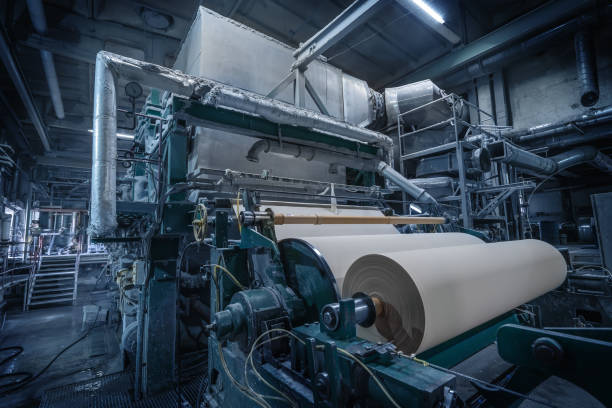
Fans in paper and pulp facilities are working hard across multiple processes:
- Drying operations where moisture control is everything
- Ventilation systems keeping your team safe
- Dust collection (arguably one of the most critical applications)
- Material conveying systems
- Chemical treatment areas where things can get a bit more complex
The ATEX Reality Check
Let's talk about when ATEX certification matters. Not every fan in your facility needs it, that's a common misconception that can unnecessarily inflate your equipment costs.
You'll likely need ATEX fans in areas like:
- Trim handling and shredding (where paper dust loves to accumulate)
- Chemical dosing stations
- Anywhere you're dealing with flammable vapours or combustible dusts
The key word here is "likely", because every facility is different, and that's where a proper risk assessment comes in.
Understanding ATEX Zones in Your Facility
Zones, ahhh ATEX Zones. If you’re not sure, you can catch up on zones in this quite comprehensive breakdown. We often get calls from engineers who aren't sure how their facility is zoned. This means they need a DSEAR site assessment to give them the accurate ATEX zone certification. While you wait for that, here's a practical breakdown of ATEX zones and how these zones can apply to a typical paper manufacturing or processing facility:
Zone 20: Think inside dust collectors or enclosed conveying equipment, where combustible dust is pretty much always present.
Zone 21: Around your processing or shredding machines during normal operation, dust is expected but manageable.
Zone 22: Those areas where dust might occasionally escape or accumulate, but it's not the norm.
You can’t guess a zone, and neither can your supplier so find a specialist, get the site assessment done, and then move towards fan selection.
Common ATEX areas in paper mills include:
- Trim handling and shredding systems
- Dust collection equipment and ductwork
- Pneumatic conveying transfer points
- Paper scrap storage areas
- Chemical processing zones
What About Dust Collection?
Most paper facilities already have solid dust collection systems, baghouses, cartridge filters, and cyclones. These are your first line of defence and can significantly reduce your ATEX zone requirements. If you've got effective dust collection in place, you might find that areas you initially thought needed ATEX fans, don't. Sometimes a small upgrade to your collection system can eliminate the need for more expensive ATEX equipment.
Your Action Plan for Fan Selection
Many of these steps will be done during the ATEX site assessment but so you understand what you need, some steps are below:
Step 1: Map out where you have flammable dusts or vapours
- Don't forget about chemical storage and dosing areas
- Consider maintenance activities that might disturb dust
Step 2: Review your current controls
- Are your dust collection systems working effectively?
- Do you have proper ventilation in place?
Step 3: Get your zone classifications sorted
- If you don't have current DSEAR or ATEX documentation, we can point you to the right specialists.
- This isn't optional, it's required for compliance
Step 4: Partner with someone who knows ATEX inside and out
- Look for suppliers with extensive experience in hazardous area equipment
- Make sure they understand pulp and paper applications specifically
The Cost of Getting It Wrong
Paper processing facilities face significant challenges when fan selection goes sideways:
- Unexpected shutdowns during peak production
- Safety incidents that could have been prevented
- Compliance failures leading to costly retrofits
- Equipment failures in critical applications
The good news? These issues are completely preventable with proper planning and the right technical partner.
Ready to Move Forward?
Fan selection doesn't have to be overwhelming. Whether you're dealing with a straightforward ventilation application or a complex ATEX-zoned process, the key is starting with a clear understanding of your requirements and working with people who've solved similar challenges before.
If you're not sure about your DSEAR designated zone classifications or need help matching fans to your specific applications, that's exactly the kind of conversation we have with engineers every day. The consultation is straightforward, and it can save you significant time, money, and headaches down the road.
We’re looking forward to helping you with your fan selection, hop on the chat and start your discussion.