


Basic Fan Selection Requirements
If you’re looking to gain a better understanding of what information is required when initially selecting an industrial fan, we’ve listed some basic requirements below.
Firstly, it’s important to note that all fan selections are different, and some applications require more detailed information than others, but a basic understanding of the application and the fan's capabilities is always beneficial, so you can have more informed conversations with your suppliers.
A careful assessment of your application requirements usually by our pre-sales team, enables us to help you meet these goals by doing an initial fan selection draft before digging deeper.
So, what information do we require from you, to get an initial feel for your requirements?
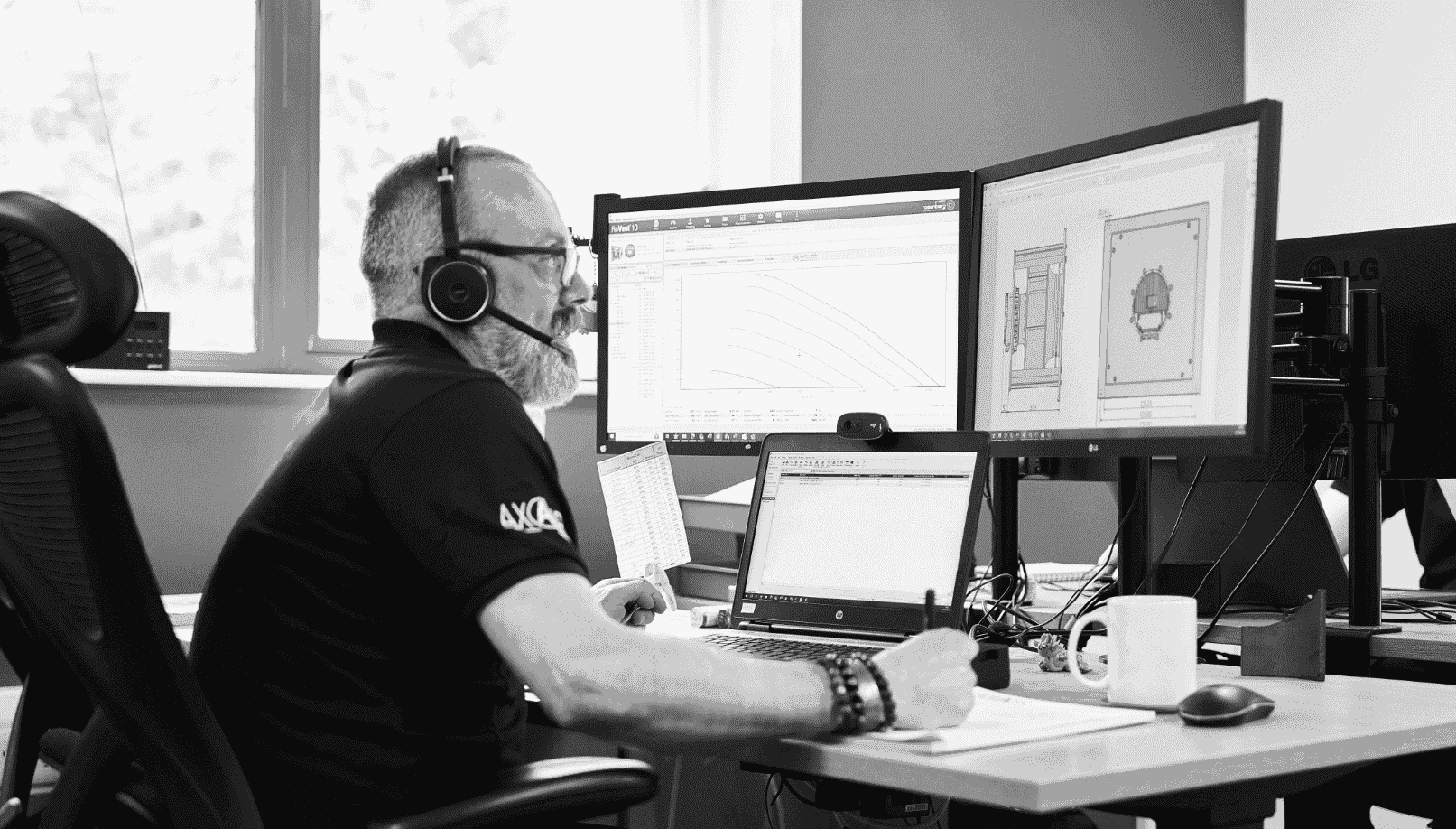
Understanding Your Needs
Firstly, we need to understand the specific task the fan will perform. What application is the fan going into? What are you trying to achieve? Are you trying to overcome an existing problem?
Once we have sight of the outcomes, we’re at a good basic starting point. Different types of fans address different needs, often the fan you would typically think is right for your application, may not always provide the best option.
Ok so we know what you’re trying to achieve, so we need the numbers. Now it’s time to look at some basic duty requirements.
Airflow & Pressure
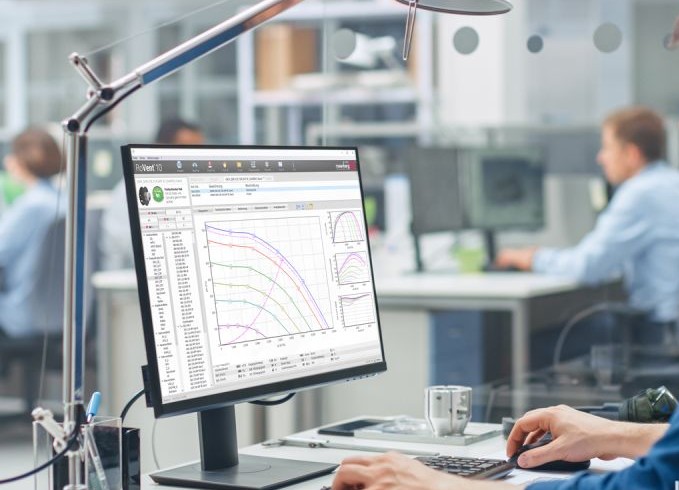
When you request a specific fan type, we need to ensure it has the capability to deliver a given volume of air. This is especially important if your fan is to be installed into a system with significant system pressure. Give us the pressure details if you have them.
To ensure the correct volume of air is maintained, we need to select a fan with enough pressure development to maintain this airflow against the external static pressure (ESP).
Ducting Considerations
If your fan is to be installed into a ducted system, we’ll consider how it will perform in the ductwork configuration, so we’ll chat through your current or proposed plans.
The fan diameter determines the size of the spigot (the connection point for the duct) and duct diameter. The duct should be the same diameter or slightly larger than the fan's outlet to ensure optimal airflow with minimal resistance.
The length and angle of the ducting is also important. We need the fan we choose to match your system pressure drop and provide adequate airflow. Longer duct runs or sharp bends will increase the resistance and may require a fan capable of higher pressures.
Room Size & Air Changes Per Hour (ACH)
When selecting fans for room ventilation such as toilets, kitchens, dentists etc, we need to consider factors like space size, occupancy, and desired air changes per hour.
To calculate the necessary airflow volume (m³/hr), we’ll take into account factors like system pressure and environmental conditions.
To ensure your system delivers the required ventilation, we need the airflow capacity of the fan to meet the room's volume and desired air changes.
Calculating the volume of the room requires multiplying its length, width, and height.
To determine the required extraction rate from room volume, we calculate the room's volume in cubic meters and then multiply it by the appropriate air change rate (ACH). The ACH value depends on the type of room and the activity taking place within it.
Noise Levels
Fan systems can generate noise due to aerodynamic turbulence and mechanical vibrations. We need to address the source of the noise and look at the best way to minimise it. This includes reducing turbulence, optimising fan efficiency, implementing anti vibration measures, and ensuring you plan for proper installation and maintenance.
Do You Need to Speed Control the Fan?
Speed control allows you to optimise airflow, energy efficiency, and noise levels in your application.
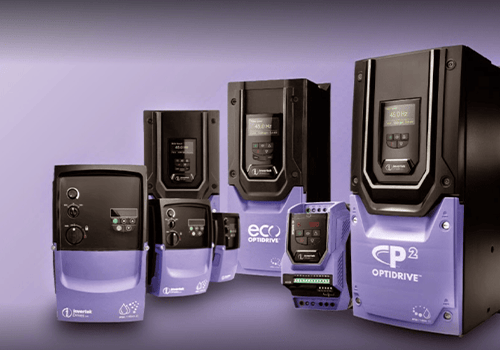
If your application could benefit from a controller that adjusts fan performance based on activity levels, we may suggest a fan speed controller to provide variable speed and power control.
These controllers, when programmed to do so, adjust fan speed, potentially reducing noise, saving energy, and prolonging equipment life. Whilst some fans have built-in speed controls, others require a variable frequency drive (VFD), or a dedicated speed controller, to adjust speed.
Environmental Conditions
If you require a fan to operate in specific conditions such as high temperatures, areas with humidity, or those with a presence of corrosive substances, we need to consider the material properties of the fan we’ll suggest.
There are a few materials and upgrades that can offer a higher degree of protection such as special materials and paint coatings.
Is Your Selected Fan Required to Handle Materials Through the Air Stream?
If so, we need to know the type of material that will be present. Some material handling fans are specifically designed to handle and convey solid, bulky materials in various industries, such as those with straight impellers. If the carried material is of a combustible nature, an ATEX rated fan will be required.
ATEX Rated Environments
Explosive atmospheres, require ATEX fans, in which case by law, you must provide us with the correct hazardous area classifications before a selection can be made. If you're not sure who to contact to obtain this, we can recommend organisations to help you remain compliant and safe.
If you’re unsure if your environment requires an ATEX fan the key is to assess if there are any flammable or combustible substances (gases or dusts) present that could create an explosive atmosphere. This topic could be a whitepaper all on its own but we have lots of resources around the ATEX directive and UK regulations, outside of this basic overview.

Fire Rating
If your application requires a high level of fire safety and smoke extraction, particularly in scenarios where sustained operation at high temperatures is needed, an F300 or F400 certified fan could be suitable depending on the duties.
F300 and F400 refers to the maximum temperature the fan can withstand during a fire for a specified duration. F400 fans are certified for 400°C for 2 hours, while F300 fans are certified for 300°C for 2 hours. They feature special construction motors that won’t lock up under the extreme conditions.
The choice between F300 and F400 depends on the specific requirements of your application, including the expected fire conditions and the time needed to maintain fan operation during a fire.
ATEX with Fire Rating
If your application is classified both ATEX and fire rated, we'll select a fan that’s specifically designed and certified for both hazards.
The selected fan must meet ATEX standards and also be fire-rated, to ensure it can prevent ignition in your potentially explosive atmospheres, whilst also offering protection against the spread of fire.
Whatever your requirements, we’re committed to finding you the best solution. We’ll handle the technical aspects, ensuring accurate selections and a more streamlined process for you. Call us on 01782 349430 or pop over to our live web chat to start your enquiry.